
Dentures – Garland, TX
Comfort and Confidence All in One
When people lose most or all of their teeth, they’re often worried that they’re never going to feel the way that they did before. They tend to think that their days of smiling effortlessly and eating with ease are gone forever.
However, this doesn’t have to be the case. Dentures can give you comfort and confidence all in one, replacing as many teeth as you need with a single treatment. If you live near Garland, the team here at Town Center Dental can give you a prosthetic that can completely change your life. Give us a call and we’ll be happy to bring you in for a consultation.
Why Choose Town Center Dental For Dentures?
- Advanced Dental Technology for Perfect Prosthetics
- Dedicated Dentist with Decades of Experience
- Dental Work Made From Quality Materials
Who’s a Good Candidate for Dentures?

Missing teeth can have a profound impact on daily life, affecting basic functions such as eating and speaking. Dentures offer a transformative solution, restoring both functionality and confidence. Before undergoing treatment, it's essential to consult us to assess your oral health and determine the best course of action for your specific situation. In the meantime, here’s what can typically make someone a good candidate for dentures.
Effects of Missing Teeth
Tooth loss can come with a wide range of disadvantages to your smile and oral health. Firstly, most people who struggle with missing teeth can often experience trouble with lower self-esteem, as they may feel self-conscious about their grins and be less willing to engage in social interactions. Missing one or several teeth can also affect your ability to chew and talk, which can end up impacting your nutrition as well as your social and professional connections. Any remaining healthy teeth can also begin to shift out of place to fill in the gaps in your smile, which can increase the risk of further tooth loss. To avoid many of these complications, dentures can offer a convenient and versatile solution for renewing your bite and smile.
What Qualifies You for Dentures?
One of the major qualifying factors for receiving dentures is that you have great oral health to start with. The last thing you’ll want is to have an underlying issue like gum disease or cavities arise and cause issues with being able to wear your prosthetics. Your gums and jawbone will need to be healthy and strong enough to support your dentures, and you’ll need to be fully committed to practicing great oral hygiene every day to maintain clean and bacteria-free prosthetics for the long run. Our team will thoroughly evaluate your oral health so that we can properly determine if dentures will be a good fit for you and your situation.
Alternative Tooth-Replacement Options
It's important to note that while dentures are an excellent option for many, they may not be suitable for everyone. Individuals who are only missing a few teeth along an arch may find that another treatment, such as dental bridges or implants, better suits their needs. Here’s a brief look at a couple of our alternative options:
- Dental Bridges: Using two dental crowns connected via pontics, dental bridges can close gaps of one to three missing teeth in a row. The crowns will be placed atop the abutment teeth on either side of the gap so that they can be supported. Your results can usually last a decade or so before needing to be replaced.
- Dental Implants: You can receive titanium posts that will be embedded in the jawbone so that your new teeth can be directly supported by your facial structure. Not only will this offer exceptional stability for your prosthetics, but your results might last anywhere from several decades to the rest of your life with proper care.
Types of Dentures
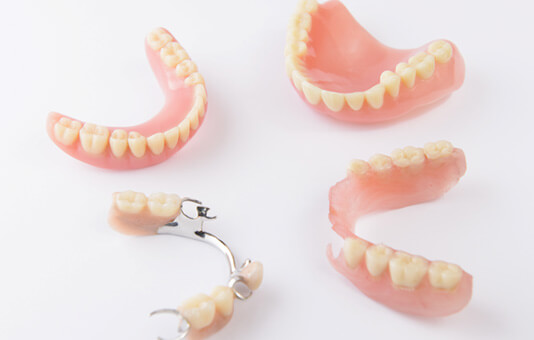
When considering dentures, it's essential to understand the different options available and how they may benefit you. A consultation with us is key to learning more about what your treatment will entail and which type of denture is most suitable for your needs, but here’s what you should know about the types available to you.
Partial Dentures
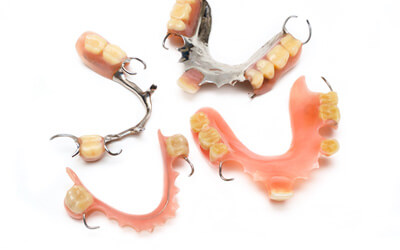
Partial dentures are an excellent option for individuals who have several missing teeth but still have some natural teeth remaining. They fill in the spaces with artificial teeth attached to a base, one typically made of a metal framework or acrylic material and customized to fit comfortably in your mouth.
Full Dentures
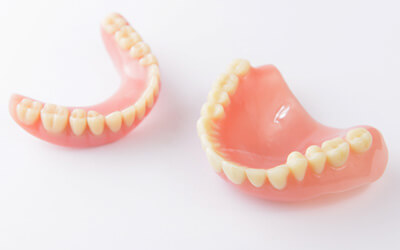
Full dentures are designed for individuals who are missing all of their teeth in either the upper or lower arch, or both. These dentures rely on natural suction and the support of the gums to stay in place. The base of full dentures is custom-fitted to the contours of your gums, ensuring a snug and comfortable fit.
Implant Dentures
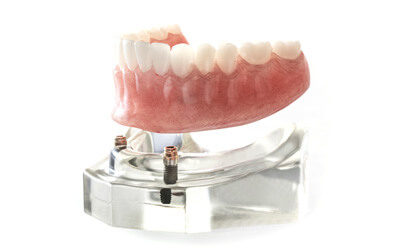
Implant dentures offer a more permanent and stable alternative to traditional dentures. By anchoring the dentures to dental implants surgically placed in the jawbone, patients can enjoy increased stability and confidence in their prosthetic teeth. This option is particularly beneficial for individuals who are dissatisfied with the fit or function of traditional dentures. Additionally, implant dentures help preserve jawbone health by stimulating bone growth, preventing the deterioration that can occur with tooth loss.
How Dentures Are Made
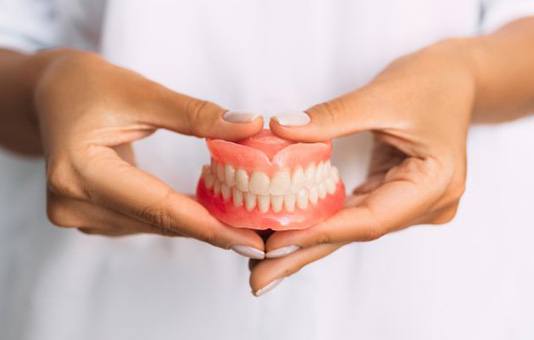
If you’ve decided to get dentures, you’re probably at least a little curious about how these amazing prosthetic appliances are made. Since understanding how these devices are crafted can help patients appreciate them a little more and because the process is rather interesting, here’s a quick guide to how beautiful dentures from Dr. Knott’s office are manufactured.
What Are Dentures Made Of?
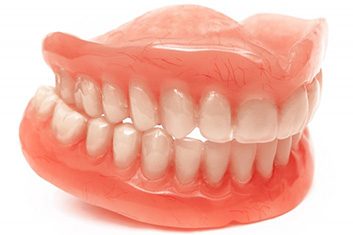
Dentures consist of two principal parts: the base and the teeth. Here’s a quick look at these important components:
The base is the foundational structure that supports the artificial teeth and allows the denture to remain stationary in the mouth. This component can be made from a variety of materials like nylon, porcelain, resin, and metal, but acrylic is the most popular option because it can be easily shaded to match the color of the patient’s natural gum tissue. The bases of partial dentures usually incorporate metal clips that allow them to connect to the remaining natural teeth, which helps the device stay in place.
The artificial teeth can be made from lifelike acrylic or porcelain. While porcelain is more durable and looks and feels more like natural enamel, it is typically only used for full dentures since it can be abrasive to adjacent real teeth.
The Denture Creation Process
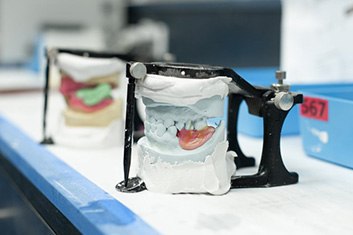
Each denture from our office in Garland is completely customized to address the patient’s needs through the following process:
- Knott takes bite impressions that will be used to create a plaster replica of the patient’s mouth called a cast.
- This cast is sent to a trusted dental lab where a skilled technician will use it to create a wax version of the gumline.
- The artificial teeth are set into the wax using a device called an articulator.
- These wax dentures are sent back to our office so you can try them on. If they’re approved, they’ll be sent back to the lab to be finalized. We’ll also provide you with temporary dentures so you can get used to wearing them while your customized device is being built.
- At the lab, the technician places the dentures in a flask and boils them to melt away the wax.
- The technician makes holes in the teeth before injecting acrylic into the flask along with a liquid separator to prevent sticking.
- After carefully removing the dentures from the plaster, the technician will clean the appliance with an ultrasonic bath.
- The technician trims and polishes the dentures.
- You’ll return to our office to try your new dentures on. After any final adjustments, you’ll be ready to start showing off your newly restored smile.
Adjusting to Your New Dentures

While it’s normal to experience some discomfort when adjusting to a new set of dentures, it should fade away as you get more practice using your appliance. Eventually, your restoration should feel very much like natural teeth and you should be able to eat and speak easily. While adjusting to your new dentures, you can ease your discomfort by sticking to a soft diet, exercising your facial muscles, experimenting with an adhesive, or taking over-the-counter pain medication. However, contact our office if your discomfort seems to be getting worse instead of better after several days.
Benefits of Dentures

Losing multiple teeth can have a dramatic effect on your oral health, your mental wellness, and your quality of life in general. That’s why for many patients who wear dentures, they’re not just false teeth, they’re a lifeline to better health and quality of life. At Town Center Dental, we offer quality dental prosthetics to help you laugh, smile, and feel whole again. If you’re curious how dentures can accomplish all that, continue reading below to learn about all their exciting benefits.
Psychological Benefits
For many patients, accepting tooth loss can be difficult. After losing a part of yourself, you can feel a range of emotions from shame and embarrassment to frustration and grief. Over time, these feelings can build into anxiety and depression, leaving you less likely to engage with friends, family, and the activities you once loved. Dentures can reduce these feelings by providing a way to restore your appearance, speech, and the ability to enjoy your favorite foods. Never underestimate the power of looking in the mirror and loving what you see!
Clearer Enunciation
Missing teeth create gaps in your smile that can make it difficult to articulate speech correctly. Many patients say that they would slur their words, experience whistling sounds, or have trouble with reading aloud when they got to certain words. Dentures prevent these speech impediments by restoring the touch points your tongue needs to articulate, and filling the gaps that would otherwise let air needed to articulate syllables escape.
Improves Nutrition
Savoring good food can be one of the many pleasures of life. However, without an adequate way to chew, many patients would rather take some foods off the table even ones they once enjoyed! The more times you do this, the narrower your nutrition becomes, often leading to deficiencies in some vitamins and minerals necessary for good bodily function. With dentures, you can restore much of your ability to chew, allowing you to expand your menu and rediscover the foods you love.
Preserves Oral Health
Even if you still have some remaining natural teeth, dentures can help preserve and protect them in several ways. Partial dentures fill in gaps left behind by tooth loss, maintaining the space and preventing the adjacent teeth from shifting over time. This stops misalignments and crooked teeth that would cause tooth wear, temporomandibular joint pain, and create traps for bacteria and food particles.
Expands Opportunity
It’s no secret that people love to see beautiful smiles. This goes for friends, family, coworkers, employers, and clients. If you want to take advantage of the power of your grin, dentures can help you do that. With its natural and sightly aesthetic appearance, you’ll gain an edge over the competition when it comes to your personal branding and getting ahead at your workplace.
If you’re suffering from tooth loss and want to take advantage of all these exciting benefits, don’t hesitate to reach out to us for a consultation. Together, we can restore your smile for a brighter future.
Understanding the Cost of Dentures

Dentures are a life-changing investment in your smile, but many patients worry they won’t be able to afford them when they need them. At Town Center Dental, we believe in transparent pricing and helping patients find the best option for their needs and budget. Whether you’re considering traditional or implant dentures, understanding the costs involved can help you plan for your new smile. Read more below to learn what influences denture pricing and what financing options are available to make treatment more affordable.
What to Do Directly After Dental Implant Surgery

No two dentures are ever the same, so the cost is also unique to the individual. Here are the key factors dentists look at to determine pricing:
- Type of Dentures: There are several models of prosthetics available from full arch replacements to partials, and implant dentures. Each type carries its own base cost.
- Materials Used: Higher-quality materials provide a more natural look and better durability. Both the base and the teeth themselves can be customized with different mediums.
- Additional Treatments: If you need extractions, bone grafts, or gum disease treatment before receiving dentures, it will increase the overall cost.
At our Garland dental office, we’ll always give you a detailed breakdown of your costs after your consultation, so you’ll know exactly what to expect before going forward.
Are Implant Dentures More Expensive?
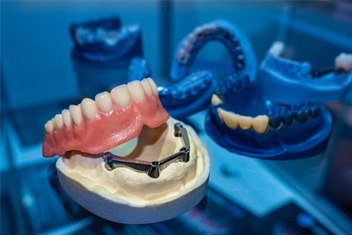
Implant dentures typically cost more than traditional dentures. This is because they require oral surgery to place implant fixtures that hold your prosthetic in place. However, in most cases, the higher upfront cost is worth it. Implant dentures offer long-term benefits such as:
- Increased Stability: No slipping or shifting while eating, speaking, or laughing, giving you more confidence in your smile for any situation.
- Longer Lifespan: Implanted dentures don’t wear out as fast as their traditional counterparts. With the right routine, they can last decades!
- Improved Jawbone Health: Implants prevent bone loss by stimulating your jawbone like natural tooth roots, keeping your face looking young and full.
Does Dental Insurance Cover Dentures?

Many dental insurance plans provide coverage for dentures, but the amount varies. Typically, insurance covers a percentage of the cost, often ranging from 30 to 50 percent, depending on your plan. However, some policies may have waiting periods or annual maximums that affect coverage, so it’s always a good idea to check the specifics.
Our team at Town Center Dental will gladly review your benefits if you need guidance and help you find ways to maximize your coverage.
Other Options for Making Dentures Affordable

At our Garland dental practice, we understand that the cost of dentures can be a concern. To help make your dental care more affordable, we offer several financial options, such as:
- CareCredit & Sunbit Financing: For out-of-pocket expenses not covered by insurance, we accept CareCredit and Sunbit. These services allow you to pay for dental treatments right away and break their balance down into low to no-interest monthly installments. Sunbit approves about 90% of applicants and provides quick responses without negatively affecting your credit score.
- Dental Savings Plan: For patients without insurance, our in-house Dental Savings Plan offers fantastic discounts on services for a single yearly membership fee. Enjoy all the benefits of dental insurance without the hassle of deductibles or yearly maximums!
Dentures Aftercare
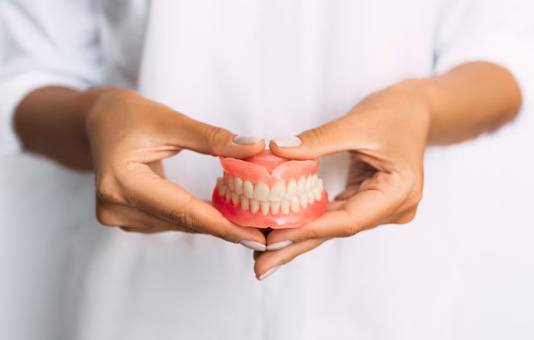
Dentures can be a fantastic way to enhance your appearance and your smile, but you’ll need to take excellent care of them so they can stay beautiful and functional for as long as possible. Thankfully, keeping your dentures in great shape is easy as long as you stick to a few key care and maintenance habits. Here’s a quick guide from Dr. Teresa Knott to how you can help your prosthetic appliance remain clean and in working order.
Removable Dentures
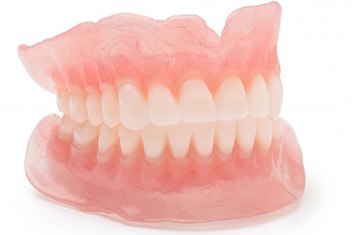
Remove After Eating
After eating or drinking anything but water, take care to remove and thoroughly rinse your dentures to flush away lingering food debris. This will inhibit the development of plaque and help keep your breath fresh. However, take care to use only cool or lukewarm water since cold or hot water can warp your appliance and ruin its fit.
Clean Your Restoration
At least once a day, remove your dentures for a thorough cleaning session. Begin by brushing each of the outer surfaces of your dentures with a soft-bristled brush and a small amount of mild dish soap, unscented hand soap, or an approved denture cleanser using gentle, circular strokes. Refrain from using normal toothpaste since it can be abrasive enough to leave scratches in your restoration. You’ll also need to floss between each pair of artificial teeth. If you aren’t going to immediately put your dentures back in, place them in a vessel with water or an approved soaking solution to prevent them from drying out and warping. Always rinse your dentures before putting them in your mouth after soaking to eliminate harsh cleaning agents that should not be ingested.
Keep Your Dentures Safe
When cleaning your dentures, take care to fill the basin of your sink with lukewarm water and cover the surface of your counter with folded towels. This way, your dentures will have a cushion to prevent damage if you drop them. It’s also important to store your dentures where children and pets cannot reach them.
Remove Dentures When You Sleep
Sleeping while wearing dentures is associated with jawbone erosion, gum recession, pneumonia, and bad breath. To prevent these issues, remove and soak your dentures every night before going to bed. This will give your mouth time to rest and clean itself while preventing your restorations from drying out and warping.
Notice Changes
Pay attention to the state of your dentures and bring anything unusual to Dr. Knott’s attention. Be on the lookout for signs of infections such as oral sores, gum irritation, redness, swelling, or a foul taste in your mouth as well as signs of poor fit such as popping, clicking, and shifting. Dr. Knott will be happy to repair or replace your dentures as necessary. Never attempt to fix your dentures on your own, as you may damage them further or injure yourself in the process.
Denture FAQs
How Long Will You Have to Wait to Get Dentures After Your Teeth are Pulled?
To ensure your gums have a chance to heal, we typically wait 6-8 weeks. Of course, if you opt for implant dentures, then the wait will be longer (usually 4-6 months). This is important because the implants need time to fuse with your jawbone in order to be successful.
Do Dentures Break Easily?
Dentures are durable, but they aren’t indestructible. So, it’s important that you take certain precautions to prevent them from breaking, like cleaning them over a sink filled with water or a soft towel. Even with good habits like these in place, accidents sometimes happen. If you notice a small chip in your denture or yours has split down the middle, don’t wait – call our Garland dental office. The sooner you do, the sooner Dr. Knott can begin the process of having yours repaired or replaced.
Can I Sleep with My Dentures?
No, you should not sleep with your dentures. In fact, doing so can lead to poor circulation in your gums, soft tissue irritation, mouth sores, and an increased risk of pneumonia. As a result, taking them off each night before you go to bed will benefit both your oral and overall health!
Am I Too Young to Get Dentures?
There’s a common misconception that only seniors struggle with tooth loss, but that’s not the case! In fact, the National Center for Health Statistics reported that 33% of adults aged 20-39 and roughly 66% of adults between the ages of 40 and 64 are missing at least one tooth. If you’re in this boat, then we have good news for you: dentures may be an option!
What Can’t You Eat with Dentures?
Whether you are missing several teeth in an arch or you lost all of your teeth years ago, you’ll be happy to know that dentures in Garland can restore some of the strength of your bite that you lost. As a result, you’ll be able to eat a wide variety of foods, including lean proteins, seasonal fruits, and cooked vegetables. Just make sure to avoid extremely crunchy and sticky ones, like hard pretzels, raw almonds, taffy, and caramel candies.
Why Do My Dentures Smell?
Food particles, bacteria, and other debris can get trapped in the nooks and crannies of your dentures, causing them to smell. The best way to prevent this from happening is by brushing and flossing consistently as well as cleaning your dentures daily with a soft-bristled toothbrush and specialized cleaner. If the unpleasant odor persists, don’t hesitate to give us a call. We aim to be an ongoing resource for our patients!
Can I Use Regular Toothpaste to Clean My Dentures?
Speaking of cleaning your dentures… You should not use toothpaste to clean your dentures. The reason for this is simple: it contains abrasive ingredients that can dull its appearance. Instead, use a soft-bristled toothbrush, clean, room-temperature water, and a dentist-recommended cleaner.